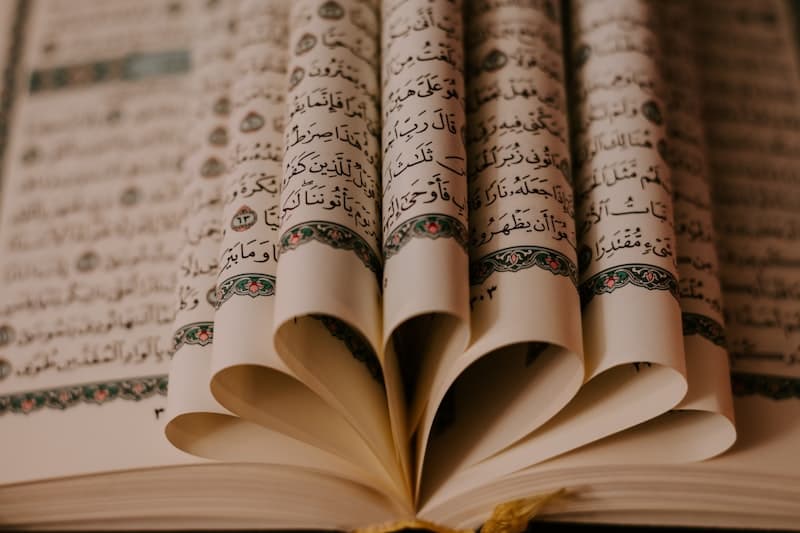
Tajweed (tajwīd) literally means to improve or make better. In the context of Quranic recitation it is the set of rules that govern the correct articulation of every letter, the length of vowels, and where pauses and joins are made.
Its basis is the command of Allah Himself. Allah says: 'And recite the Quran with measured recitation' (Surah al-Muzzammil, 73:4). The word tartil in this verse means reciting distinctly, at a measured pace, giving each letter its due right.
Scholars explain that tajweed rules are not a later invention but the way the Quran was transmitted from the Prophet (peace and blessings be upon him) through the generations. Because the Quran was revealed in clear Arabic, and because a small mispronunciation can change the meaning of a word, Muslims have always taken care to preserve the exact recitation.
The ruling on learning tajweed: applying the rules of tajweed is a communal obligation (fard kifayah) — a sufficient number of people must master them so the recitation is preserved. For every individual, however, reciting correctly is required to the extent that they are able; a Muslim who cannot pronounce a letter correctly must learn how, because altering the recitation harms both the meaning and the reward.
You don't need to be advanced to start. Tajweed is learned gradually — beginning with the makharij (points of articulation of the letters), then moving through rules such as the nasal sounds (ghunnah), elongation (madd), and the rules of noon and meem. A patient teacher guides the student step by step, exactly as the Quran was taught orally from the very beginning.
Want to learn with a caring teacher?
Book a free trial class and experience the Learn Quran Academy difference.
Book Free Trial